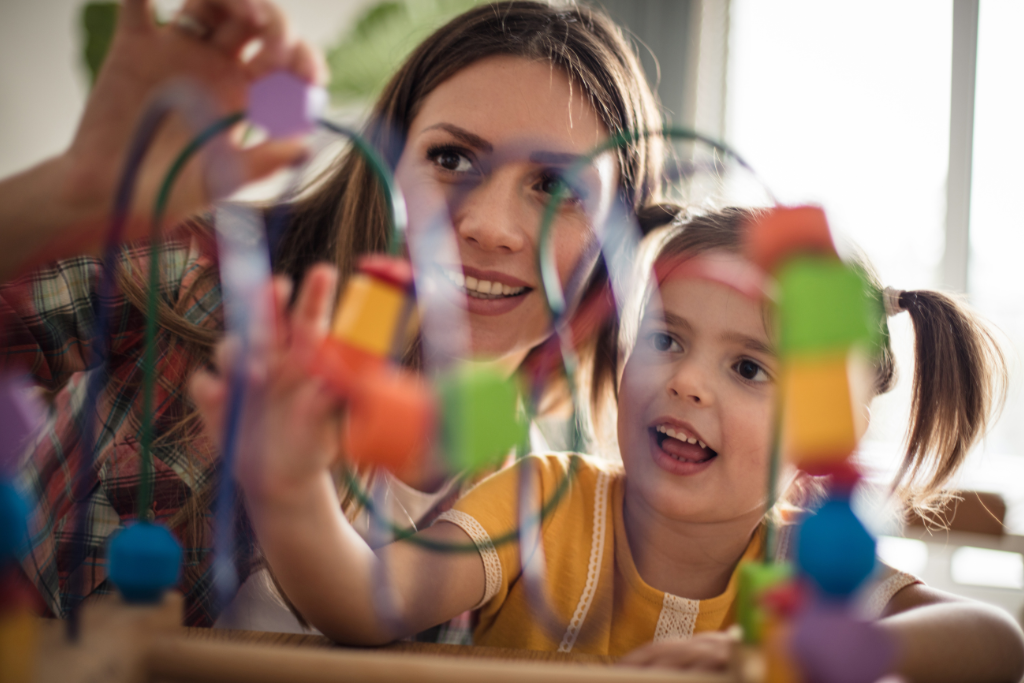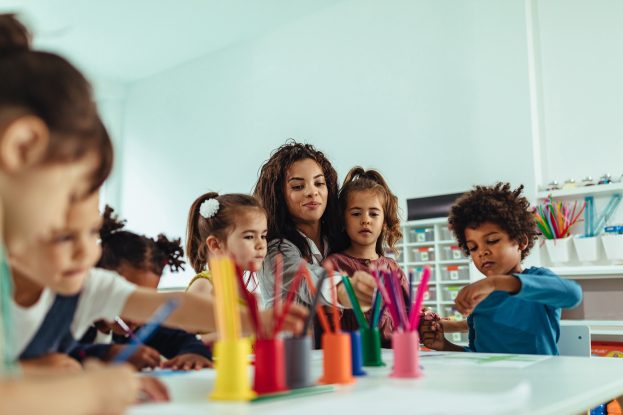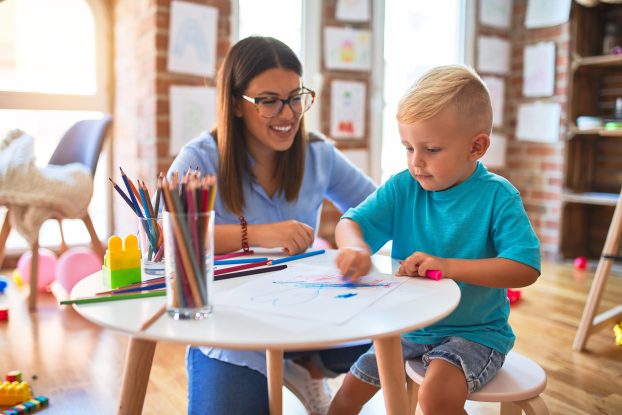
The first five years of a child’s life shape far more than early learning. They influence how children communicate, manage emotions, form relationships and approach challenges as they grow. Early childhood educators are present during these formative years, supporting children through everyday moments that quietly build lifelong foundation.
For many educators, this is what draws them to the role. The work is not about ticking boxes or rushing children toward formal learning. It is about understanding development, responding to individual needs, and creating environments where children feel safe to explore, learn and grow.
When does early childhood begin?
Early childhood begins at birth and continues through to around five years of age, covering infancy, toddlerhood and the years before school. During this time, children experience rapid brain development and learn primarily through relationships, play and daily routine. So, early childhood educators are important for helping observe children and responding to their cues, helping shape their confidence, emotional regulation and communication skills that children carry into later life.
How Early Childhood Educators Make a Difference in the First 5 Years
The impact of early childhood educators changes as children grow. What makes the role so important is how educators adjust their approach at each stage, supporting development in ways that reflect where children are emotionally, socially and cognitively.
Birth to 2 Years: Building Safety & Trust
In the earliest years, children rely on consistent care to feel secure. Educators support this by establishing routines, responding to cues and providing calm, predictable interactions. These early experiences help children develop trust and a sense of safety in their environment.
Educators also support early communication by responding to sounds, gestures and early words. Feeling seen and understood at this stage helps children build the foundations for language and emotional expression.
Ages 2 to 3: Supporting Independence & Emotional Growth
As toddlers begin asserting independence, educators guide behaviour while encouraging exploration. This includes supporting language development, helping children manage frustration, introducing early social skills, such as sharing and taking turns.
Educators play such an important role in helping kids navigate big emotions. By modelling calm responses and providing consistent boundaries, they help children develop resilience and self-confidence during a critical stage of development.
Ages 3 to 5: Building Confidence & Preparing For School
In the years before schools, educators turn to helping children develop social skills, independence and a positive relationship with learning. With play-based experiences and group activities, children learn how to listen, cooperate and engage with others.
Educators also support children in getting ready for the transition from early childhood to primary school. They start to develop routines, emotional readiness and self-help skills that help kids feel capable and secure as they move into a school setting.